Farm Operations Management
Post-Harvest Operations in Vertical Farms: Practical Tips for Weighing, Packaging, Inspection, and Shipping
Articles for Farm Operations Managers
Quality in a vertical farm is not finalized the moment you harvest. Every post-harvest step — weighing, sorting, packaging, inspection, and inventory management — has a significant impact on freshness and marketable yield.
Hydroponically grown crops are clean and easy to handle, but they are sensitive to moisture loss and temperature changes after harvest. Even when cultivation goes well, weak post-harvest design means commercial value is lost before the product ships.
This article walks through each stage of post-harvest operations and the practical points that protect quality while minimizing loss.
Why Post-Harvest Work Matters
When post-harvest handling is inadequate, wilting, discoloration, and nutrient degradation set in, and mold or bacterial growth can push product to disposal. Letting cultivation investment go to waste through downstream deficiencies is a challenge across all of agriculture, not just vertical farms. But vertical farms, which can complete the entire journey from harvest to shipment within the facility, have the design-side advantage of solving this problem systematically.
Hydroponically grown crops are cleaner and less bruised than field-grown produce, but they lose moisture quickly after harvest and wilt faster. That is why minimizing the time from harvest to cooling and packaging is the foundation of quality preservation.
The Post-Harvest Workflow
Post-harvest operations in a vertical farm involve multiple sequential steps. Each step has a purpose — maintaining quality and minimizing loss — and specific practices that deliver on that purpose.
1. Harvest
Harvest work requires design that anticipates the weighing, packaging, and shipping steps that follow. Confirm harvest timing by cross-referencing crop growth status, variety, and the shipping schedule. Cut carefully with dedicated scissors and/or a knife to avoid physical damage. Move harvested product to the post-processing area immediately. Minimizing the time from harvest to transfer into a cold environment is critical for reducing stress from temperature change and moisture loss.
2. Weighing and Sorting
Harvested crops are sorted against criteria for size, shape, and quality. Set sorting standards based on the terms of your buyer contracts and the requirements of your sales markets. Use a combination of visual inspection, weight sorters, and image recognition technology. Rather than discarding unmarketable produce, design end uses for it — raw material for cut vegetables or processed foods, employee cafeteria use — to contain both food loss and financial loss simultaneously.
3. Packaging
Packaging is not just about preserving freshness and preventing contamination — it is directly tied to how the product presents as a commercial item. Choose packaging materials based on crop type, shelf life, and sales channel, taking into account gas permeability, transparency, strength, and barrier properties against contamination. Individual wrapping, bag packaging, and tray packaging formats should match the product’s characteristics and sales strategy. Display all required information without omission: product name, best-before date, storage instructions, ingredient list, and nutritional content.
4. Inspection
Inspection is the final-check step, confirming appearance (damage, discoloration, foreign matter), weight, packaging condition, and label display. Document standards clearly, based on internal regulations, industry standards, and buyer agreements. Improve reliability through automated inspection equipment and multi-person check systems. Record inspection results as data for use in ongoing quality control.
5. Boxing
Boxing is the step that prepares product for safe transport and storage. Select cardboard boxes or plastic containers with attention to strength, ventilation, and hygiene. Pack carefully and securely to avoid product damage — upright packing orientation is often recommended. Record box type, product name, quantity, and shipping date to maintain traceability.
6. Inventory Management
Sound inventory management is the foundation for reducing food loss and stabilizing revenue. Maintain appropriate temperature and humidity in refrigerators and storage rooms. Enforce first-in, first-out (FIFO) to minimize quality-degradation loss. Introducing a system that tracks inventory status in real time also improves the accuracy of ordering and shipping plans.
Know-How and Key Points for Post-Harvest Operations
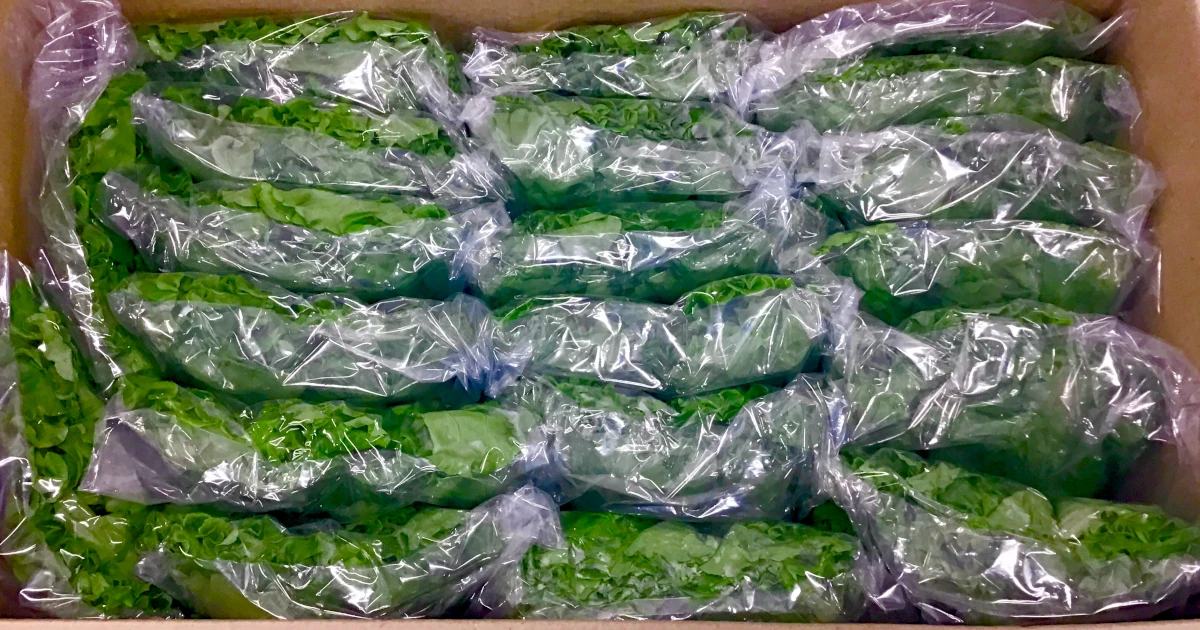
Post-harvest precision comes down to four things: workflow layout, hygiene, temperature and humidity management, and recordkeeping.
Lay out the workflow from harvest to shipment in process order, and you cut unnecessary movement and time loss. Hygiene management for work areas and equipment directly prevents foreign-matter contamination and microbial contamination. Cleaning and disinfection routines must be standardized.
For temperature management, placing harvested crops quickly into a cold environment is the core of freshness preservation. Design the cold chain to cover not just refrigeration equipment but also the transit from harvest area to storage. Hydroponic vegetables are especially prone to wilting from moisture loss, so humidity management is equally essential. Specifying humidity control measures and pre-packaging storage conditions clearly reduces quality variation.
Keeping records — work content, measurement values, and inspection results for each step — makes it easy to trace the cause when problems occur, and feeds into the continuous improvement of quality standards.
Summary
Post-harvest operations in a vertical farm determine shipment quality at least as much as cultivation precision does, and often more. Design each step — harvest, weighing, packaging, inspection, and inventory management — individually, and combine that with a cross-cutting management foundation of workflow, hygiene, temperature and humidity, and recordkeeping. That is what delivers consistent quality output while holding down loss.
The strength of hydroponically grown crops — clean product with minimal physical damage — can only be realized through how you handle them after harvest. A weak post-harvest system negates the gains made in cultivation. Conversely, careful post-harvest design is precisely where there is real room to differentiate.