Work and Industry
What a Vertical Farm Manager Does: Skills, Qualifications, and Career Path
A vertical farm manager’s job is not just about watching crops grow. It’s about connecting light, temperature, nutrient solution, hygiene, equipment, staff, and costs — and making the farm function as a real operation.
That’s why agricultural knowledge alone isn’t enough. You need to read plant conditions, respond to equipment problems, direct workers, apply quality standards, and look at the operation through numbers.
This article breaks down the responsibilities of a vertical farm manager, the skills and qualifications required, and how to think about career development — from a grower-first perspective.
What a Vertical Farm Manager Does
A vertical farm manager oversees all related work, with crop management and farm operations management at the core. The scope of the job breaks down into three main areas: “crop management,” “farm operations management,” and “farm business management.”
1. Crop Management
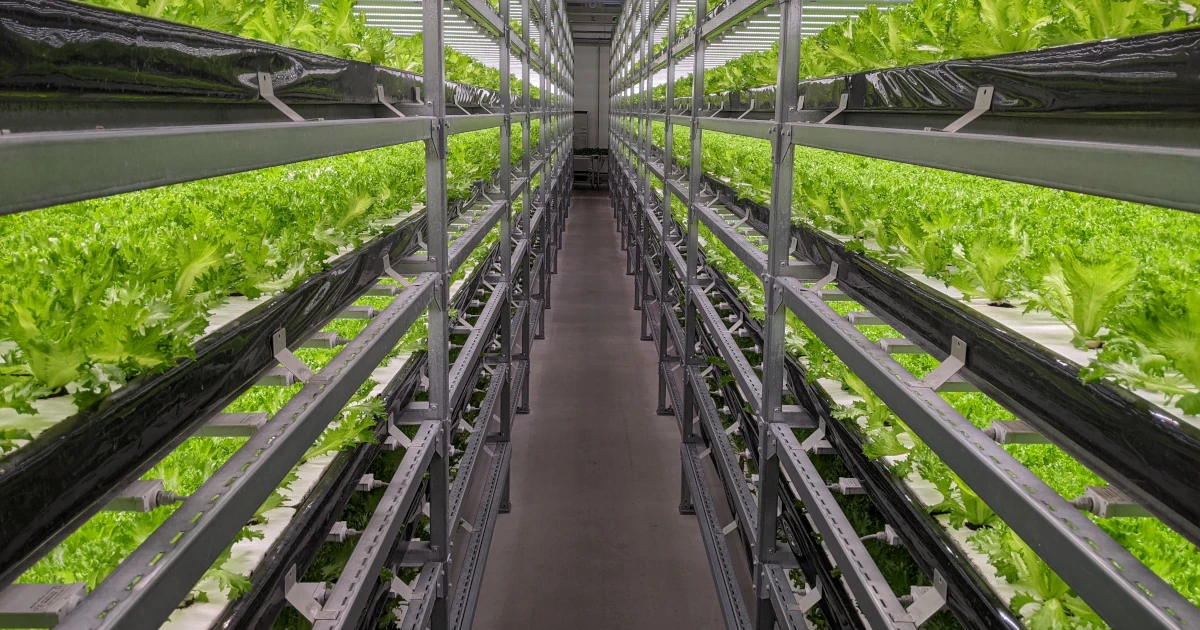
A vertical farm is a production facility where the environment is controlled — independent of sunlight and weather. Whether that ideal environment is consistently achieved comes down to the manager’s judgment and technical skill.
Production planning and execution means planning when, what varieties, and at what volume to produce across the year. You set that plan while balancing market demand, selling prices, days to harvest, and facility capacity — then execute it.
Environmental control is the core task of a vertical farm. You maintain the conditions plants need to grow: temperature, humidity, light, CO2 concentration, airflow, and more. What matters is understanding why each setpoint is what it is. You need to know scientifically why a specific light spectrum or lighting duration works for a given crop, and how temperature and humidity affect growth rate and plant form — then cross-check that understanding against daily observation data.
Nutrient solution management is especially critical in hydroponics facilities. You take regular measurements of electrical conductivity (EC) and pH, then adjust based on growth stage. This goes beyond the primary macronutrients like nitrate nitrogen, phosphorus, and potassium — you also need to watch for deficiencies or excess in secondary nutrients like calcium and magnesium, and micronutrients like iron. You manage through both numbers and direct plant observation: leaf color, shape, and growth rate.
Hygiene management is built on prevention, because once pests or pathogens take hold, the damage can spread across the entire facility. Thorough sanitizing of the facility, hygiene training for workers, pest and pathogen exclusion measures, and early detection with a fast initial response — all of this falls on the manager.
2. Farm Operations Management
A vertical farm is a team operation involving many staff members, from seeding through harvest and shipment. The manager is responsible for keeping both equipment and people running reliably.
Equipment inspection and maintenance covers everything that keeps the facility running: lighting, HVAC, water supply and drainage, and control systems. Equipment problems feed directly into production, so you need a system for tracking status daily and catching anomalies early. The ability to handle minor repairs yourself is also expected.
Troubleshooting means responding to unexpected situations — equipment failure, power outages, pest or pathogen outbreaks — with calm, fast judgment. You direct staff and contain damage at the same time. Root cause analysis and recurrence prevention afterward are also part of your responsibility.
Work assignment and progress management means assessing each staff member’s experience and skill, then assigning work accordingly. You keep a constant eye on overall progress, follow up where needed, and maintain team-level productivity.
Building a good working environment goes beyond safety measures. It includes creating a workplace where staff feel comfortable speaking up. Employee satisfaction affects both productivity and quality, so keeping morale up on the floor is a key part of a manager’s role.
Quality control means verifying that produce meets quality standards before shipment, and maintaining a system that prevents anything substandard from going out. At large facilities with a hundred or more employees, sharing and enforcing quality standards becomes an organizational challenge.
3. Farm Business Management
Running a vertical farm as a sustainable business requires managers to think like business owners.
Production cost management means tracking operating costs — electricity, water, labor, fertilizer — and continuously improving them. Electricity takes up a large share of operating costs, so optimizing LED lighting and reducing energy consumption are priority concerns.
Sales strategy involves more than just securing distribution channels with supermarkets, restaurants, and food processors. You’re responsible for the full strategic picture: pricing and promotion. How you communicate the strengths of vertically farmed produce — “safe and secure,” “high quality,” “stable supply” — is what drives differentiation.
Market research and analysis means staying continuously informed about consumer needs and shifts in market trends, then feeding that into decisions about new varieties or processed product development. You also track competitor moves to keep the business competitive.
Liaising with external stakeholders covers regulatory filings with government agencies (procedures vary by country and region) and contract negotiations with business partners. Trust with regulators, local communities, and trading partners is what keeps the operation running smoothly.
Skills and Qualifications for a Vertical Farm Manager
What’s required of a manager isn’t just agricultural knowledge. You need a combination of skills spanning equipment, hygiene, and management.
- Crop knowledge and technical skills: A foundation in the environmental conditions plants need to grow, and the techniques to provide them. A background in agriculture — whether from formal education or hands-on experience — is directly applicable.
- Equipment management skills: The ability to inspect and maintain lighting, HVAC, water systems, and control systems — and handle minor repairs.
- Hygiene management knowledge: For a facility that handles food, hygiene management is critical. Certifications such as Food Hygiene Manager (based on Japan’s Food Sanitation Act) are an advantage.
- Data handling and computer skills: Daily tasks include entering data into production management systems and basic analysis. Computer literacy is a must.
- Management experience: You’ll be responsible for developing staff and keeping team morale up. Experience leading people translates directly on the floor.
For entry-level positions, formal qualifications are rarely listed as mandatory. But the knowledge and skills above do carry weight in hiring. Applying with the expectation of building these skills on the job is common and accepted.